Common rubbish clearance mistakes Kennington landlords make
Posted on 22/06/2026

If you let property in Kennington, rubbish clearance can look deceptively simple: clear the flat, book a collection, hand back the keys, job done. In practice, that's where a lot of landlords come unstuck. The most common rubbish clearance mistakes Kennington landlords make are usually not dramatic, but they are expensive, awkward, and avoidable. A missed item, a poor handover, or the wrong disposal route can slow down a move-out, upset a buyer, or create an awkward conversation with a managing agent. Nobody wants that, especially on a tight turnaround.
This guide breaks down the mistakes landlords make, why they matter, and how to handle clearance properly without wasting time. You'll also find a practical checklist, a comparison table, and a realistic example from a typical SE11-style rental turnover. Let's keep it straightforward and useful.
Table of Contents
- Why it matters
- How rubbish clearance works in practice
- Key benefits and practical advantages
- Who this is for and when it makes sense
- Step-by-step guidance
- Expert tips for better results
- Common mistakes to avoid
- Tools, resources and recommendations
- Law, compliance, standards and best practice
- Options, methods and comparison table
- Case study or real-world example
- Practical checklist
- Conclusion
- Frequently asked questions
Why Common rubbish clearance mistakes Kennington landlords make Matters
Rubbish clearance matters because it affects more than cleanliness. It affects speed, tenant relations, presentation, deposit disputes, and whether a property is ready for re-letting or sale. In Kennington, where properties can turn over quickly and expectations are often high, small delays have a habit of snowballing. A dusty cupboard filled with old bedding or a hallway blocked by broken furniture can stall cleaning, photographing, decorating, or maintenance work. One messy flat can hold up three tradespeople. That is not an exaggeration.
For landlords, the real risk is assuming clearance is just a "skip it and forget it" task. It isn't. It sits right between tenancy changeover, compliance, and property presentation. If you are planning a re-let, sale, or refurbishment, poor clearance often means extra visits, extra labour, and extra stress. And let's face it, the cost of doing it twice is always higher than doing it properly once.
If you are thinking about the wider property cycle in the area, it can help to look at related local context too, such as advice for selling Kennington properties and investing in Kennington real estate made easy. A tidy, cleared property generally photographs better, shows better, and feels easier to market. Simple enough, but it matters.
How Common rubbish clearance mistakes Kennington landlords make Works
Most landlord rubbish clearance jobs follow a similar pattern. A tenancy ends, the landlord or agent inspects the property, and they discover what has been left behind. Sometimes it is obvious waste: bags of old clothing, cardboard, broken chairs, or unwanted appliances. Sometimes it is a more awkward mix of household rubbish, personal belongings, garden waste, or builders' debris after a last-minute refresh.
The sensible process is usually:
- Identify what needs to go and what must stay.
- Separate general waste, bulky items, recycling, and anything requiring special handling.
- Check access routes, parking, stairs, and loading restrictions.
- Choose the right clearance method for the volume and timing.
- Book collection with enough lead time to fit the tenancy schedule.
- Make sure the property is left empty, safe, and ready for the next stage.
The part landlords often underestimate is access. A ground-floor flat with a clear front path is one thing. A third-floor conversion with a narrow staircase, a shared entrance, and limited kerbside space is another. If you have ever tried to carry a bulky wardrobe down a tight hallway at 7:30 on a wet Tuesday morning, you'll know exactly what I mean. It is rarely as straightforward as it first looks.
For jobs involving heavy or awkward pieces, practical planning matters even more. That is why local guides like Kennington Road bulky rubbish removal and stair access tips can be useful reading before you book anything major.
Key Benefits and Practical Advantages
When clearance is handled properly, landlords get several clear advantages. The most obvious is speed, but there are other benefits that are easy to miss.
- Faster turnaround: A clear property can be cleaned, inspected, and re-marketed sooner.
- Better presentation: Empty rooms show size, light, and layout properly.
- Fewer disputes: Good documentation helps reduce arguments over what was left behind.
- Lower disruption: Coordinated clearance keeps cleaners, decorators, and contractors working efficiently.
- Safer site conditions: Removing clutter reduces trip hazards and blocked exits.
- Cleaner handovers: End-of-tenancy transitions feel more professional and less rushed.
There is also a quieter benefit: peace of mind. When clearance is arranged properly, you stop thinking about the piles in the hallway and start thinking about the next tenant or buyer. That mental shift is worth a lot more than people admit.
Practical takeaway: good rubbish clearance is not just about removing waste. It is about protecting the property's condition, reducing delays, and keeping the next stage of the tenancy or sale moving smoothly.
Who This Is For and When It Makes Sense
This topic is most relevant for private landlords, accidental landlords, block managers, letting agents, and investors with one or more properties in Kennington or nearby SE11 streets. It also matters if you self-manage a flat and only deal with clearance a few times a year, because infrequent jobs are where mistakes tend to happen.
You will especially need this advice if:
- a tenant has moved out and left items behind;
- you are preparing a property for new photos or viewings;
- you need to clear a flat before decorating or repairs;
- you are dealing with a probate, repossession, or long-vacant property;
- you have furniture, white goods, or builder's waste to remove;
- access is tight and you need a careful, planned collection.
Some landlords also face mixed-use situations: a small office above a shop, a rental flat with storage cages, or a garden needing a proper clear-out after a long tenancy. For those, it helps to think in categories rather than "just rubbish". If the job includes commercial items, you may find it useful to compare it with commercial rubbish clearance Kennington insider tips for shops.
Step-by-Step Guidance
Here's a practical way to handle landlord rubbish clearance without creating extra work for yourself.
1. Do a room-by-room sweep
Start with the obvious areas: loft, under-bed space, cupboards, balcony, shed, and kitchen. People hide things in the corners they think no one will check. Spoiler: someone always checks. Take a phone torch and slow down a bit. A five-minute pause now saves a second visit later.
2. Separate items into simple groups
Group items into what can stay, what can be reused, what needs recycling, and what is pure waste. This keeps the job manageable and avoids mixing usable furniture with broken rubbish. If there are electronics, paint tins, chemicals, or damaged appliances, treat them carefully and do not just throw everything in a heap.
3. Photograph everything before it moves
Photos are useful for your records, for agent notes, and sometimes for deposit conversations. If there is a dispute later, you want a visual record of the state of the property and what was left behind. Nothing fancy. Just clear, time-stamped images.
4. Check access and parking before you book
This is where many landlords get caught out. Are there stairs? Is there a lift? Is parking limited? Can a vehicle stop outside safely? If clearance teams have to carry bulky items further than expected, time and cost can increase. Access details are not a minor detail. They are the detail.
5. Match the clearance method to the job
A couple of bags is one thing. A full flat, a mattress, two wardrobes, a broken desk, and a stack of renovation offcuts is another. Choose a method that fits the amount and type of waste. If you are not sure, it is better to describe the job clearly than to guess.
6. Schedule clearance before deep cleaning
Do not pay for a full clean if rubbish is still inside. That sounds obvious, but it happens all the time. Clearance first, then clean, then repair or decorate. That sequence keeps the job tidy and avoids wasted labour.
7. Keep a record of what was removed
A simple list is usually enough. For example: one sofa, one mattress, three black bags, one dismantled table, one broken microwave. It takes a minute and it helps later if you need to show the property was emptied responsibly.
Expert Tips for Better Results
After enough end-of-tenancy clearances, a few habits stand out. They are not glamorous, but they work.
- Book earlier than you think: last-minute clearance often creates pressure on everyone, including cleaners and decorators.
- Use a simple checklist for each tenancy: it is surprisingly easy to forget loft storage or communal bins.
- Ask about recycling upfront: if you care about sustainability, say so. It helps shape the plan.
- Measure bulky items if access is tight: door width and stair turns matter more than people expect.
- Be clear about what belongs to the tenant: abandoned personal items need more care than general junk.
- Keep neighbours in mind: shared hallways and busy streets need a bit of tact and timing.
One small but useful habit is to walk the property with the same mindset a prospective tenant would bring. What do they see first? What smells stale? What looks tired before you even get to the furniture? It changes how you prioritise the clearance. A property can be technically empty and still feel cluttered if the small stuff is left behind.
If sustainability matters to you, you may also want to review the site's own recycling and sustainability approach, because landlords increasingly prefer clear, responsible disposal routes. No drama. Just a more thoughtful process.

Common Mistakes to Avoid
Here is the heart of it. These are the errors landlords make most often, and the ones that tend to cause avoidable trouble.
1. Leaving clearance until the last possible day
This is the big one. A tight move-out date leaves no room for delays, access issues, or extra waste. If the job overruns, everything else gets squeezed.
2. Assuming the tenant will take everything
Sometimes they do. Often they do not. Landlords should not plan around hope. If items are left behind, you need a proper plan.
3. Forgetting communal areas and storage spaces
Hallways, basements, bike stores, loft cupboards, and shared gardens are easy to overlook. Then the agent notices them at the end. Annoying, but common.
4. Mixing recyclables with general waste
This creates unnecessary disposal problems and can make the job less efficient. Separate what you can before collection.
5. Not checking for hazardous or awkward items
Paint, solvents, needles, damaged glass, and broken appliances need more care than a sack of old clothes. If you are unsure, treat the item cautiously and do not improvise.
6. Underestimating access challenges
A narrow stairwell, no parking, or a top-floor flat can turn a simple job into a heavy lift. It is the kind of issue that seems tiny in the office and enormous on site.
7. Failing to document the property beforehand
Without photos or a written note, disagreements are harder to settle. Documentation is boring, yes. Also useful. Very useful.
8. Choosing the wrong clearance type for the volume
Landlords sometimes book too small a collection and end up arranging a second visit. That is where the real inefficiency creeps in.
9. Ignoring neighbours and access etiquette
Early-morning noise, blocked entrances, or unmanaged parking can create complaints. A little planning saves a lot of awkwardness.
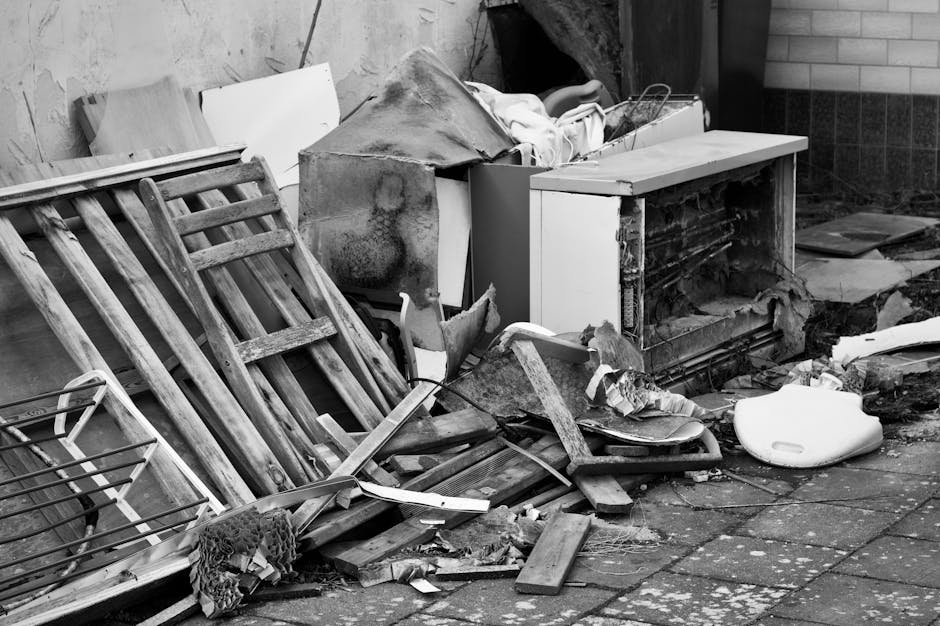
10. Paying to remove items that could be reused or sold
Some furniture may still have life left in it. If you can reuse or repurpose items responsibly, you may reduce waste and cost. Not every old chair is destined for the skip, despite appearances.
Tools, Resources and Recommendations
You do not need a van full of fancy gear to manage a clearance well. A few simple tools are enough to make the job more organised.
- Checklist app or paper checklist: helps you track rooms, cupboards, and storage spaces.
- Phone camera: use it for photos before, during, and after clearance.
- Marker pens and labels: useful for sorting items that are staying, going, or being stored.
- Dust sheets and gloves: sensible for handling old or dusty items.
- Measuring tape: handy when stairs, doors, or lifts are tight.
- Clear booking notes: record access times, parking details, and item lists.
For broader support across property jobs, the site's services overview is a useful starting point, while house clearance in Kennington is worth reading if you are dealing with a full property rather than a few stray items. If the clearance includes garden debris, a look at garden waste removal in Kennington may also help you plan the job more cleanly.
For landlords who want a better sense of local property cycles and how presentation affects demand, there is also useful neighbourhood context in Kennington neighbourhood real resident reviews and unearthing Kennington's treasures. Not clearance guides as such, but they do help explain why appearance and timing matter here.
Law, Compliance, Standards and Best Practice
Landlords do not need to become waste experts, but they do need to be careful. In the UK, the basics are straightforward: waste should be handled responsibly, transferred to an appropriate carrier, and disposed of in line with accepted practice. If you are hiring a clearance provider, it is sensible to ask how waste is handled and whether documentation is provided where appropriate.
Best practice usually means:
- keeping a record of clearance dates and item types;
- separating reusable items from waste where possible;
- treating potentially sensitive or hazardous items with care;
- ensuring the property is left safe and accessible;
- using a provider that can explain its disposal process clearly.
Insurance and safety also matter. If items are being moved through communal areas or down stairs, you want the work done carefully. A rushed job can damage walls, floors, or bannisters, and those repairs tend to be more expensive than the original clearance. You can read more about this general approach in the site's insurance and safety information.
For landlords who are also managing tenant move-ins, refurbishments, or commercial-style clearances, the standards of clarity and safety remain the same. Be specific. Be organised. Do not guess. That's the safest rule in the room.
Options, Methods, or Comparison Table
Different landlord clearances call for different methods. Here is a simple comparison to help you choose the right route.
| Method | Best for | Pros | Watch-outs |
|---|---|---|---|
| DIY removal | Very small amounts of rubbish | Can seem cheaper for a tiny job | Time-consuming, heavy lifting, transport hassle |
| Mixed self-management and recycling | Landlords with time to sort items | Good for separating reusable items | Needs careful planning and access to the right outlets |
| Professional clearance | End-of-tenancy, bulky items, tight deadlines | Faster, more organised, less physical effort | Requires accurate briefing and clear access details |
| Full property clearance | Probate, vacant flats, major turnover | Efficient for large volumes | Needs careful item categorisation and timing |
If your property is in a busy part of the area, or access is awkward, a more structured approach usually wins. For many landlords, professional collection is the least stressful choice, especially when they need to coordinate with cleaning or repairs. If timing is tight, it can also help to compare options with SE11 same-day rubbish collection and clearance quotes so you understand how urgent jobs are typically handled.
Case Study or Real-World Example
Picture a two-bedroom Kennington flat at the end of a tenancy. The property is in decent shape, but the tenants have left behind a bed frame, a scratched desk, six bags of mixed household rubbish, and a few odds and ends in the cupboard under the stairs. The landlord wants it cleaned and relisted quickly.
The first mistake would be booking cleaning before removal. That sounds minor, but it means the cleaner has to work around clutter or return later. The second mistake would be not checking the stair access. The bed frame is too large to leave assembled, and the desk is awkward enough that it needs to be broken down before collection. The third mistake would be failing to document the left-behind items before moving anything, which could matter if there is a follow-up conversation with the tenant.
The smarter version is simple:
- photograph the property and the items left behind;
- separate reusable pieces from waste;
- measure doorways and stair turns;
- book a collection that suits the volume;
- schedule the clean only after the clearance is complete.
The result? Less back-and-forth, fewer delays, and a property that feels ready rather than merely emptied. That difference matters on a wet Thursday afternoon when the next viewing is tomorrow and the hall still smells faintly of old carpet glue. Been there, seen that.
Practical Checklist
Use this quick checklist before and during landlord rubbish clearance:
- Walk through every room, cupboard, loft space, and storage area.
- Take clear photos of what has been left behind.
- Sort items into keep, reuse, recycle, and dispose.
- Check whether anything needs extra care, such as electronics or chemicals.
- Measure access points, stairs, and any awkward turns.
- Confirm parking or loading arrangements.
- Book clearance before deep cleaning starts.
- Keep a written list of the main items removed.
- Make sure communal areas are not blocked during the job.
- Review the property again once the rubbish is gone.
Quick sanity check: if the property would look embarrassing in a set of listing photos, it probably is not ready yet. Harsh, but true.
Get a free quote today and see how much you can save.
Conclusion
The biggest rubbish clearance mistakes Kennington landlords make are usually not about bad intentions. They are about rushing, guessing, or assuming a property will be easier to clear than it really is. Once you account for access, timing, item types, and documentation, the whole process becomes far more manageable.
Clearance done well protects the property, keeps the turnover moving, and helps everything else fall into place. That is especially useful in a market where presentation and speed carry real weight. If you take one thing from this article, make it this: plan the clearance before it becomes a problem.
And honestly, once the last bag is gone and the flat feels quiet again, the whole place seems to breathe a little easier. That is usually the moment landlords remember why proper clearance is worth the effort.

Copyright © . House Clearance Kennington. All Rights Reserved.