Kennington Road bulky rubbish removal and stair access tips
Posted on 15/05/2026
Kennington Road Bulky Rubbish Removal and Stair Access Tips
If you live or work near Kennington Road, bulky rubbish removal can feel straightforward on paper and mildly chaotic in real life. A sofa that looks manageable from the hallway suddenly becomes a problem at the first tight turn. A wardrobe that was "fine when it was delivered" becomes a two-person puzzle on the staircase. And if you are on an upper floor, stair access can be the difference between a smooth clear-out and a very long afternoon.
This guide brings together practical Kennington Road bulky rubbish removal and stair access tips for homes, flats, landlords, offices, and anyone dealing with heavy, awkward items in a London setting. You will find step-by-step advice, simple planning checks, common mistakes, and the small details that make a big difference. To make next steps easier, we will also point you to useful related pages such as the services overview, rubbish collection in Kennington, and general waste removal support.
Let's face it: the item itself is rarely the only issue. The route out matters just as much. Is there a narrow landing? A low banister? A shared hallway? A parked car outside the front door? Those little things decide how long the job takes, how many people are needed, and whether the removal can be done safely. That is exactly why stair access planning deserves proper attention.
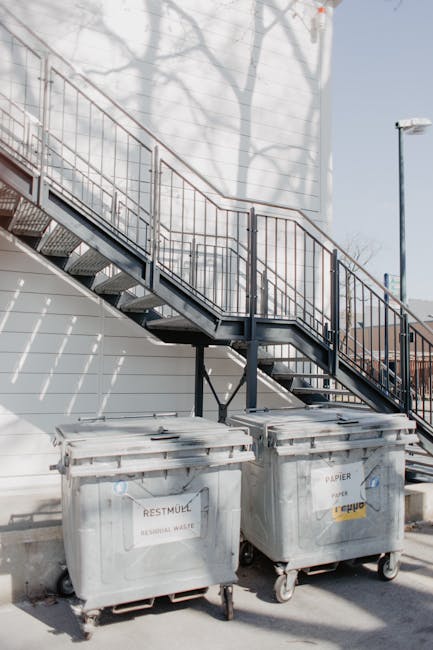
Why Kennington Road bulky rubbish removal and stair access tips Matters
Bulky waste removal is not just about getting rid of "big stuff". It is about moving heavy or awkward items out of a property without damaging walls, stair rails, flooring, or anyone's back. In Kennington Road properties, that matters a lot because many buildings have shared entrances, period staircases, split-level layouts, or compact landings that leave very little room for error.
Stair access tips matter because most bulky items are not designed for tight internal routes. A mattress bends. A sofa can twist. A fridge? Not so keen. If you know the access constraints before the job starts, you can plan the right team size, protect surfaces, and avoid the classic "we thought it would fit" moment. That moment never ends well, to be fair.
There is also a time-saving side. When access is clear and the route is understood, removals can often be completed more efficiently. That helps with move-out deadlines, end-of-tenancy schedules, property sales, refurbishments, and office changes. If you are planning a larger clearance, you may also find it useful to read house clearance services in Kennington and office clearance support for more context.
Key takeaway: the best bulky rubbish removals are the ones that are planned around the building, not just the items. Measure the route, think about stairs, and decide how the load will move before anybody lifts a thing.
How Kennington Road bulky rubbish removal and stair access tips Works
At a practical level, bulky rubbish removal usually follows a simple sequence: identify the items, assess access, plan the lift, remove the waste, and dispose of it appropriately. The part many people underestimate is the access assessment. A quick look from the front room is not enough. You need to think from the item's point of view. Where does it turn? Where does it tilt? What catches first?
On stair access, the main concerns are width, headroom, landing space, and grip. A removal team will generally look for:
- the narrowest point on the staircase or landing
- sharp turns that prevent straight carrying
- low ceilings, pendant lights, or overhangs
- slippery steps or worn surfaces
- shared hallways and door swing clearance
- parking or loading access outside the property
In many cases, items need to be rotated, carried on their side, or removed in stages. Sometimes one item has to be partially dismantled. Sometimes it is more sensible to remove a few smaller components rather than wrestle a fully assembled unit down the stairs. Truth be told, dismantling an awkward wardrobe can save everyone a headache.
For bigger or mixed loads, it helps to think beyond just one furniture item. Old carpets, broken shelving, bags of general waste, and renovation debris can all affect the route. If your project includes post-refurbishment material, builders waste disposal in Kennington is a useful related option. For garden clear-outs, there is also garden waste removal in Kennington.
Key Benefits and Practical Advantages
Getting bulky rubbish removed properly is about more than tidiness. There are some genuinely useful gains that people notice straight away once the clutter is gone and the stairwell is no longer a storage unit.
1. Less risk of damage
Walls in narrow stairwells mark very easily. So do door frames, banisters, skirting boards, and light fittings. A careful access plan reduces the chances of scrapes and dents, which is especially valuable in rented properties or period homes where repairs can be fiddly.
2. Faster clearance with fewer surprises
If the team knows in advance that a chest of drawers needs turning on a landing or that a mattress has to be carried over a tight bend, they can work more efficiently. No one enjoys a job where the crew stands around staring at the staircase like it has personally offended them.
3. Better safety for everyone
Heavy lifting on stairs carries a real strain risk. Good planning reduces awkward angles, sudden slips, and overloaded carrying. That is not drama, just common sense.
4. Cleaner handover for selling or letting
If you are preparing a flat or house for sale, letting, or renovation, a clear route and a cleared property help the place feel bigger, brighter, and easier to inspect. If this is part of a wider move or sale plan, these property selling tips for Kennington may be useful.
5. Less stress on the day
This might be the biggest benefit of all. When the route, schedule, and item list are sorted beforehand, the whole thing feels calmer. You are not guessing. You are not improvising at the front door while someone holds a sofa at a strange angle. The job just flows better.
Who This Is For and When It Makes Sense
Bulky rubbish removal with stair access planning makes sense for a lot of people in and around Kennington Road. It is not just for major clear-outs. Small jobs can become tricky too, especially if the item is awkward enough or the stair access is limited enough.
This guide is especially relevant if you are:
- moving out of a flat and need unwanted furniture gone quickly
- clearing a rental property between tenancies
- preparing a home for sale or refurbishment
- replacing old white goods or broken furniture
- emptying a loft, storage room, or top-floor flat
- dealing with office furniture, shelving, or archive waste
- removing builder's debris after light renovation work
It also helps if you live in a building with shared stairs, tighter access, or a busy frontage. Around Kennington Road, that combination is not unusual. A careful plan can make the whole thing much easier, even if the item list is small. Sometimes the "simple" job turns out to be the one that needs the most thought. Happens all the time.
If you want to compare service types before deciding, take a look at waste removal in Kennington, rubbish collection options, and the broader service overview.
Step-by-Step Guidance
Here is a practical way to approach bulky rubbish removal when stairs are involved. Keep it simple. The more clearly you define the problem, the easier the fix.
Step 1: List every item
Write down what needs to go. Include large items, loose parts, and anything that may be attached, such as headboards, bed bases, desk legs, or appliance hoses. One forgotten item can change the plan.
Step 2: Measure the item and the route
Take rough measurements of height, width, and depth. Then measure:
- doorways
- hallway widths
- stair width
- landing space
- tight corners or turns
You do not need engineering-level precision. A tape measure and a bit of common sense will do most of the job.
Step 3: Identify the tricky points
Where will the item need to pivot? Will the stairs force a vertical carry? Is there a low light fitting? Can the front door stay open safely during loading? These details matter more than people expect.
Step 4: Decide whether dismantling helps
Some furniture is safer to move in pieces. Remove cushions, drawers, detachable legs, or shelves where possible. If an item can be partially taken apart without compromising stability, that often makes the route much easier.
Step 5: Protect surfaces and prepare the path
Clear the hallway. Move shoes, mats, bikes, bins, or anything else likely to get in the way. If needed, use blankets, cardboard, or floor protection along the path. On older staircases, that extra layer can be a lifesaver.
Step 6: Plan the lifting order
Heavy items should not block smaller, easier items. Start with the ones that create the most space or pose the biggest access issue. If you are hiring help, explain the order in advance so the crew can work logically.
Step 7: Check loading access outside
Even if the stairs are the main challenge, don't ignore the outside. Can a vehicle stop nearby? Is there space for loading without blocking neighbours or traffic? On a road like Kennington Road, that outside step can be just as important as the stairs themselves.
Step by step is really the right phrase here. Rushing creates problems, and the problems tend to stack up fast.
Expert Tips for Better Results
Here are a few practical tips that make bulky removals smoother, especially in homes with awkward stair access.
Use the staircase as your planning tool
Stand at the bottom of the stairs and imagine the item moving one landing at a time. Where will the pivot happen? Which side of the item carries the weight? This simple mental rehearsal catches a surprising number of issues.
Take photos before the job starts
If you are speaking to a removal company, photos of the staircase, landings, and item size can save time and reduce guesswork. A quick phone photo taken in good daylight is often enough. On a dull London afternoon, flash helps more than you think.
Remove hazards first
Loose cables, small rugs, and clutter on the stairs are trip risks. Clear them out before moving day. It sounds obvious, but in real homes it is often the little things that catch people out.
Work with the building, not against it
If your staircase is narrow, do not force a rigid move where a controlled tilt would work better. If a landing is tiny, pause there and reset the grip. Experienced movers know when to stop and reset rather than pushing through a bad angle.
Think about neighbours and timing
In shared buildings, quieter timing can make a difference. Avoid peak school-run chaos or the exact minute everyone wants to leave for work. A little courtesy goes a long way in London blocks of flats.
Choose the right service for the load
A single mattress removal is not the same as a full flat clearance. Likewise, builders' rubble is not the same as mixed household rubbish. Matching the job to the right service type avoids delays and awkward add-ons. If you are unsure, the pricing and quotes page is a sensible place to start.
Expert summary: the safest stair access plan is usually the least dramatic one. Measure early, clear the route, protect the surfaces, and don't assume a bulky item will "just fit". It usually won't, not without a bit of thought.
Common Mistakes to Avoid
There are a few mistakes that come up again and again with bulky rubbish removal. Most are avoidable. Some are annoying. A few are downright expensive.
- Guessing the measurements. If the sofa looks wide, it probably is. Measure it.
- Forgetting the turning angle. A straight corridor is one thing. A turn on a small landing is another.
- Ignoring ceiling height and fittings. Light shades, smoke alarms, and low soffits can all create problems.
- Leaving loose items in the way. Shoes, bikes, and hall clutter make tight spaces tighter.
- Assuming all bulky waste is handled the same way. Mixed waste, electrical items, and builder's debris may need different handling.
- Not checking parking or loading access. The easiest stair job can still be slowed down by a bad parking position outside.
- Booking too late. If you are on a deadline, leaving it to the last minute is risky. Very risky, actually.
One of the most common issues we see is people underestimating the landing space. A wardrobe may clear the stairs but still fail at the top turn because there is nowhere to rotate it. Small detail, big headache.
Tools, Resources and Recommendations
You do not need a shed full of specialist kit, but a few basic tools and a sensible process make a big difference.
Useful tools
- tape measure
- gloves with a good grip
- protective blankets or moving pads
- strong tape for bundling loose parts
- torch or phone light for dim stairwells
- camera phone for photos and access checks
Useful resources
If your clear-out is part of a broader property project, these pages can help you plan the bigger picture:
- recycling and sustainability information if you want to understand responsible disposal
- insurance and safety guidance for reassurance around risk management
- about us if you want a better sense of the company behind the service
- local rubbish removal advice near Kennington Park and The Oval for nearby area context
A practical recommendation: take a quick video walkthrough of the route from the item to the vehicle access point. It is simple, and it helps everyone see the same thing. No guessing. No, "I thought that corner was wider."
Law, Compliance, Standards, or Best Practice
Bulky rubbish removal in the UK should always be handled responsibly. While exact obligations depend on the type of waste and who is producing it, a few best-practice principles are worth keeping in mind.
First, waste should be passed to a legitimate carrier or service that can handle it appropriately. That matters because household items, furniture, electricals, and mixed waste should not simply disappear into a van without a clear disposal route. If you are hiring help, it is sensible to ask how waste is sorted, recycled, and documented.
Second, stair access planning is a safety issue, not just a convenience issue. Good practice means reducing manual handling risks, avoiding unstable lifting positions, and protecting shared property areas. In communal buildings, you should also be mindful of residents, fire exits, and access routes.
Third, if your item includes electrical components, fridges, freezers, or materials that require special handling, those should be dealt with according to the relevant disposal process. If you are unsure, ask before collection day rather than guessing.
It is also worth noting that reputable providers will usually have their own terms, safety processes, and payment information available. Those pages are not just legal filler; they help you understand how a service works. You can review the terms and conditions, payment and security information, and the company's accessibility statement if you need that extra reassurance.
Options, Methods, or Comparison Table
Different jobs call for different approaches. A mattress from a third-floor flat is not the same as a full office strip-out. Here is a simple comparison to help you decide what fits best.
| Method | Best for | Pros | Watch-outs |
|---|---|---|---|
| DIY removal | Small, light items with easy access | Low direct cost; flexible timing | Heavy lifting risk; vehicle access; disposal arrangements |
| Man-and-van style collection | Single bulky items or a few loads | Convenient; faster than doing it yourself | Needs accurate access information; may not suit very heavy loads |
| Full bulky waste service | Multiple items, stairs, mixed waste, time-sensitive jobs | More efficient; better for awkward access; less stress | Usually costs more than self-managed removal |
| Property clearance service | Whole rooms, end-of-tenancy, probate, or move-out jobs | Comprehensive; useful when stair access and volume are both issues | Needs planning and clear item list |
If you are torn between options, a rough rule helps: the more awkward the access, the more sensible a professional clearance becomes. One tiny item on the top floor can still become a large problem if the route is tight. Simple as that.
Case Study or Real-World Example
Here is a realistic example based on the kind of situation people often face near Kennington Road.
A resident in a top-floor flat had a broken sofa bed, a mattress, and several bags of old household bits that had built up over a few months. The flat had a narrow shared staircase, a small mid-landing, and a door that opened awkwardly into the corridor. Nothing extreme, but enough to make the job fiddly. The sofa bed also had a stiff frame, which did not help.
Rather than trying to move everything at once, the items were sorted by shape and difficulty. The sofa bed was prepared first, loose parts were removed, and the route was cleared before lifting began. The crew used the landing as the reset point, which is often the right move in older London buildings. One person steadied the item while the other handled the turn. No rush. No drama.
What made the difference was not muscle alone. It was planning. The resident had provided photos in advance, the stairwell was clear, and the loading point outside had been checked beforehand. The job finished smoothly because the access problem had been treated as the main issue, not an afterthought.
That is really the lesson here. If you prepare the route, bulky waste becomes much less bulky in practice.
Practical Checklist
Use this checklist before collection day or before asking for a quote.
- List every item that needs to be removed
- Measure the largest items roughly
- Check stair width, landings, and turning points
- Look out for low lights, beams, or protruding fittings
- Clear hallways and stairwells of loose clutter
- Remove detachable parts where safe to do so
- Take photos of the access route
- Confirm parking or loading access outside
- Separate special items such as electricals or mixed builder's waste
- Ask about recycling and disposal handling
- Review pricing, terms, and payment details before booking
- Keep residents, neighbours, or building managers informed if needed
If you tick off those basics, you have already reduced most of the common problems. The rest is usually just execution.
Conclusion
Kennington Road bulky rubbish removal and stair access tips are really about making a difficult job feel manageable. Once you stop treating the staircase as a surprise and start treating it as part of the plan, the whole process becomes calmer, safer, and far more efficient. That is good for your property, good for your time, and good for everyone carrying the load.
Whether you are clearing one awkward sofa or emptying an entire flat, the same principles apply: measure first, clear the route, think about the turns, and choose the right service for the size of the job. If you are also planning a move, sale, or refurbishment, taking a few minutes to organise access now can save you a lot of hassle later. Honestly, it is one of those small bits of preparation that pays off immediately.
If you would like to explore related local guidance, the pages on Kennington's neighbourhood highlights and resident-focused area insights can also help you understand the local setting a little better.
Get a free quote today and see how much you can save.
And if you are still staring at that staircase thinking, "How on earth is this going to work?" - that is exactly the moment to plan properly. A careful start usually leads to a much easier finish.


Copyright © . House Clearance Kennington. All Rights Reserved.