Hard to access flats Kennington rubbish removal solutions
Posted on 30/06/2026
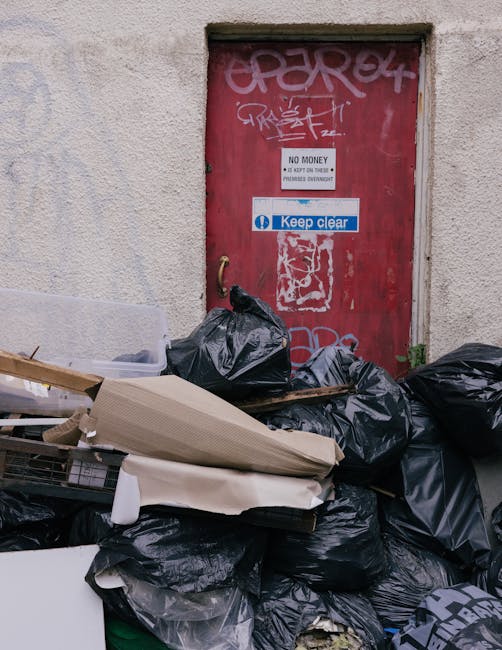
Hard to access flats Kennington rubbish removal solutions: a practical guide for awkward access, tight stairwells and busy London blocks
If you live in a top-floor flat, a converted terrace, or a block with a narrow stairwell, you already know the drill: rubbish removal is never just "lift and load." In Kennington, where period conversions, mansion blocks and compact modern apartments often come with tricky access, the right approach matters. Hard to access flats Kennington rubbish removal solutions are built for the real-world problems people actually face: steep stairs, no lift, limited parking, awkward corners, shared entrances and neighbours who really would rather not hear a sofa scraping at 7:30 on a Tuesday morning.
This guide breaks the process down in plain English. You'll learn what makes access difficult, how a professional clearance is planned, what to prepare before collection day, and which mistakes cause delays, damage or extra cost. If you're trying to clear a flat without chaos, you're in the right place.
- Why access issues matter
- How the removal process works
- Key benefits and practical advantages
- Who this is for
- Step-by-step guidance
- Expert tips for better results
- Common mistakes to avoid
- Tools, resources and recommendations
- Law, compliance and best practice
- Options and comparison
- Real-world example
- Practical checklist
- Conclusion
- Frequently asked questions
Why Hard to access flats Kennington rubbish removal solutions Matters
Hard access changes everything. A collection that would be quick from a ground-floor front room can become a two-person, twenty-minute puzzle once you add narrow stairs, awkward landings, lift restrictions or controlled parking. That does not just affect convenience; it affects safety, time, cost and how smoothly the rest of your day runs.
In Kennington, the housing mix plays a big part. You'll find Victorian and Edwardian conversions, council and housing association blocks, maisonettes, and newer apartments with strict building rules. Some have tiny entrances and tight corners that make it hard to move anything bulky without planning. Others have lifts, but the lift is small, slow or not suitable for heavy furniture. It's one of those situations where a bit of local know-how saves a lot of grief.
There's also the neighbour factor. Let's face it, nobody wants a stairwell left muddy, scratched or blocked because the clearance team guessed their way through the job. A good hard-access approach protects communal areas, keeps noise down and reduces the chance of complaints. That matters in shared buildings, especially when residents are trying to get on with their day.
There's a commercial side too. Landlords, letting agents and sellers often need flats cleared quickly before photography, viewings or repairs. If the access plan is poor, the whole timeline can slip. If you've ever been told "it'll be fine" and then watched a wardrobe refuse to turn the corner on the third floor, you'll know why planning matters.
Expert summary: The best hard-access rubbish removal is not about brute force. It is about careful planning, the right team size, sensible item sorting and a clear route from flat to vehicle. Get that right and the job usually feels much calmer than people expect.
How Hard to access flats Kennington rubbish removal solutions Works
The process normally starts with a quick assessment. That can happen by description, photos, a video call, or an on-site look if the job is especially awkward. The goal is simple: understand how the rubbish will move from the flat to the collection vehicle without damage, delays or unnecessary lifting.
Professional teams typically look at a few practical things:
- How many flights of stairs are involved
- Whether there is a lift, and if it is usable for the items
- How narrow the hallway, landing and doorway are
- Whether parking is close enough for safe loading
- What type of waste needs removing
- Whether items need to be carried in sections or dismantled first
For example, a broken bed frame, a compact sofa and several bags of mixed household rubbish may be straightforward if the route is clear. A large wardrobe, a mattress, old white goods and a stack of renovation debris is a different story. In that case, the team may need a second pair of hands, protective covers, tools for dismantling, and a route that avoids snagging walls or lift doors.
If the flat is in a busy part of SE11, timing also matters. Collection crews often work around traffic, parking restrictions and building access windows. That is why some people choose to coordinate with same-day or scheduled time slots rather than "whenever you can fit us in." There's less faff that way.
You may also see a distinction between rubbish collection, waste removal and house clearance. In practice the terms overlap a bit, but the job can differ depending on how much needs to go and how much manual handling is involved. If you want a broader sense of what a full service may cover, the services overview is a useful place to understand the bigger picture.
Key Benefits and Practical Advantages
Choosing a solution designed for hard-to-access flats is not just about convenience. It can save time, reduce stress and make the whole clearance feel manageable instead of messy.
1. Less strain and lower risk of injury
Moving heavy items down awkward stairs is tiring work. It takes strength, yes, but also balance, coordination and patience. A good team knows how to handle those loads without turning the stairwell into a gym session gone wrong.
2. Reduced risk of damage
Hallway dents, chipped paint and scratched bannisters are annoyingly easy to cause. Proper protection, team coordination and route planning help keep the building in one piece. That matters if you're a tenant trying to avoid disputes, or a landlord who'd rather not repair avoidable damage.
3. Better use of time
When access is planned well, the job is usually quicker than people fear. What looks like a nightmare from the front door can be handled smoothly if the team knows how to break down the task.
4. Fewer surprises on the day
Good access planning reduces the "oh no" moments. You know which items need dismantling, whether parking is close enough, and if anything needs to be moved before the crew arrives. That clarity is worth a lot.
5. More suitable for urgent clearances
If you are working to a deadline, say before a move-out, an inspection, or a sale, a specialist approach gives you a better shot at finishing on time. For people preparing to market a home, a smooth clearance can support the advice in Kennington property-selling guidance by making the flat presentable sooner.
6. Cleaner communal spaces
Good teams don't just move waste. They help keep shared areas tidy on the way out. That sounds small, but anyone who has had to sweep up plaster dust in a communal stairwell knows it is not small at all.
Who This Is For and When It Makes Sense
This kind of service is for anyone dealing with access that makes basic rubbish removal harder than usual. That includes people living in upper-floor flats, properties without lifts, blocks with tight corridors, and homes where large furniture or bulky bags need to travel through narrow routes.
It is especially useful for:
- Tenants clearing out before moving
- Landlords between lets
- Homeowners preparing a property for sale
- Agents arranging pre-viewing clearance
- People dealing with inherited or long-term stored items
- Small businesses or office tenants in converted buildings
It also makes sense when the waste itself is awkward, even if the flat is not especially high up. Think flat-pack furniture that has been assembled in place, broken wardrobes, old office chairs, bulky mattresses, mixed rubbish from a declutter, or renovation offcuts that keep catching on every corner.
One thing people sometimes miss: hard access is not only about stairs. A flat on the first floor can still be awkward if there is a long shared corridor, a tiny lift, strict loading access or a building manager who wants collections done in a specific window. The flat may be "not that high", but the access can still be a pain. Truth be told, that happens a lot.
If your building is close to a busy stretch or popular local spot, timing and parking can also shape the job. For example, readers looking near local landmarks and busy streets may find this guide to rubbish removal near Kennington Park and the Oval helpful for thinking about local logistics.
Step-by-Step Guidance
Here's a practical way to handle a hard-access flat clearance without losing your cool.
- Sort the waste first. Put aside anything that will stay, anything that should be donated or reused, and anything that is definitely going. A few minutes of sorting can save a lot of confusion later.
- Measure the awkward items. Check the height, width and depth of larger items like sofas, wardrobes and beds. If they will only fit dismantled, say so early.
- Take photos of access points. Doorways, stairs, landings, lifts and parking spaces all matter. A couple of honest pictures are often more useful than a long description.
- Check building rules. Some blocks require advance notice, use of service lifts, or specific entry times. It is dull admin, yes, but it prevents headaches.
- Reserve space for loading if needed. If parking is tight, work out where the vehicle can stop safely. In busy parts of Kennington, this is often the difference between a smooth job and a frustrating one.
- Clear the route inside the flat. Move smaller objects out of the way so the path is clear. It sounds obvious, but a cluttered hall can slow everything down.
- Use the right collection method. For some jobs, a full removal team is best. For others, a scheduled rubbish collection is enough. The right fit depends on volume, access and urgency. See rubbish collection in Kennington for the basic service approach.
- Confirm what happens with reusable items. Furniture, white goods and household items may need separating from true waste. If you care about recycling or reuse, ask about that in advance.
- Be on hand at the start. Even if the team can work independently, a quick walk-through at the beginning helps spot tight corners, fragile surfaces and any "don't touch that" areas.
That last point is small but useful. A five-minute briefing often prevents a fifty-minute problem. Not glamorous. Very effective.
Expert Tips for Better Results
Small details make a big difference in hard-access jobs. After all, the job is often decided before the first item is lifted.
Tip 1: Be honest about the awkward bits.
People sometimes understate access problems because they worry about sounding difficult. Don't. If the stairwell is narrow, say so. If the lift is unreliable, say so. If the parking bay is usually taken, say so. Clear information leads to a better plan.
Tip 2: Separate mixed waste from bulky items.
A mixed pile of bags, furniture and odd bits is harder to move efficiently. If you can group the waste by type, you make the load-out easier. It's a bit like packing a suitcase. Chaotic packing makes everything slower.
Tip 3: Protect fragile surroundings early.
Communal paintwork, banisters and glass panels are easy to damage by accident. If your building has a particularly tight staircase, ask what protection the crew uses. That question is never out of place.
Tip 4: Ask about dismantling before collection day.
Some items are simply easier to remove in parts. Bed frames, shelving, and some wardrobes can often be dismantled in the flat, which can save time on the stairs.
Tip 5: Keep the route dry and clear.
If it has rained, wipe away muddy footprints before items are moved through communal areas. A clean route is safer, and neighbours notice that sort of thing. For a team that works around tricky access and safety concerns, insurance and safety is worth understanding before you book.
Tip 6: Don't leave booking until the last minute if access is complex.
Hard-access jobs often need a bit more planning than a standard kerbside pickup. If your moving date is fixed, build in a little breathing room. That way you're not trying to solve access, parking and timing all at once.
Tip 7: Ask for the quote to be transparent.
Access complexity can affect labour time, but the reasons should be clear. If a quote feels vague, ask what is included and whether any additional labour depends on the stair count, load time or parking restrictions. This is where pricing and quotes can help set expectations.

Common Mistakes to Avoid
Most problems in hard-access flats are predictable. Which is annoying, because that means most of them are avoidable.
- Underestimating the size of items. A sofa that looks modest in a living room may become a nightmare on a spiral staircase. Measure properly.
- Forgetting to mention stairs or lift limits. This is a classic. The team arrives ready for a lift, but the lift is tiny or out of service. Everyone loses time.
- Not checking parking in advance. If the vehicle cannot get close enough, carrying distances increase and the job slows down.
- Leaving sorting until the last minute. Mixed waste, sentimental items and furniture should not all be discovered at the door at once.
- Assuming every collection is the same. A top-floor clear-out is not the same as a ground-floor bag collection. Different access, different effort.
- Ignoring building rules. Some blocks are relaxed. Others are not. One quick message to management can save a lot of awkwardness.
- Choosing purely on price. Cheapest is not always best when there are stairs, narrow turns and fragile communal areas involved.
Landlords in particular can run into avoidable trouble when they rush a clearance between tenancies. If that sounds familiar, common rubbish clearance mistakes Kennington landlords make is a good companion read.
Tools, Resources and Recommendations
You do not need fancy kit to prepare well, but a few basic tools and habits help a lot.
- Measuring tape: Useful for doorways, stair width, lift doors and bulky furniture.
- Phone camera: Photos of access points are often more helpful than guesswork.
- Basic labels or sticky notes: Handy when separating keep, donate and remove piles.
- Protective gloves: Helpful for small pre-sort tasks, especially with cardboard, broken bits or dusty loft finds.
- Bin bags and boxes: Better than loose piles when moving smaller waste safely.
- Clear booking notes: Write down floor level, lift access, parking restrictions and any time limits.
For people with mixed needs, the wider service mix can be useful. A flat clearance may overlap with house clearance in Kennington if there are furniture and household contents to remove, or with waste removal in Kennington if the focus is mainly on bagged and bulky waste rather than a full property clear-out. If your job involves renovation leftovers, builders waste disposal in Kennington may be the more relevant route.
It can also help to understand the company behind the service. The about us page gives a sense of how the business presents itself, while recycling and sustainability explains how waste handling is approached with recovery and reuse in mind. If you're the sort of person who likes to know who you're dealing with, those pages are reassuring.
Law, Compliance, Standards, or Best Practice
Any rubbish removal job should be handled with care, but hard-access flats need especially sensible practice because the risk of damage or unsafe manual lifting is higher. In the UK, people should only use responsible waste carriers, and waste should be handled in line with household, commercial or mixed-waste expectations. That includes not leaving rubbish in communal areas, not blocking fire exits, and not assuming "someone else will sort it out."
There are also practical duties around safety and access. If a building has shared stairs, service lifts or communal entrances, the team should take care to avoid obstruction and minimise disturbance. That is not just courtesy. It is basic best practice. If there is any doubt about insurance, lifting methods or what happens if an item is too awkward to move safely, ask before the job starts.
For tenants and landlords, the sensible approach is to document the state of the flat before and after clearance, especially where access is tight and there are pre-existing marks on walls, bannisters or floors. It takes minutes and can prevent a lot of back-and-forth later. Not exactly exciting, but very useful.
If a property is being prepared for sale or for a new tenancy, good clearance supports the bigger process. It can make photography easier, inspections less stressful and move-in day cleaner. That is one reason some readers also look at Kennington real estate and investment guidance when they are thinking through property value and presentation.
Options, Methods, or Comparison Table
Different access problems call for different solutions. Here's a simple comparison to help you think it through.
| Method | Best for | Pros | Watch out for |
|---|---|---|---|
| Bag-and-bin collection | Small household rubbish, light decluttering | Quick, simple, good for low volumes | Not ideal for bulky furniture or lots of stairs |
| Team-led flat clearance | Bulky items, multiple rooms, tight access | More efficient, safer for awkward items | Needs better access information up front |
| Dismantle-and-remove approach | Large wardrobes, beds, some sofas | Helps items fit through narrow routes | Requires tools and extra handling time |
| Scheduled same-day clearance | Urgent moves, deadlines, landlord turnarounds | Fast response, useful in time-sensitive situations | Availability can be tighter in busy periods |
| Full property clearance | End-of-tenancy, probate, sale preparation | Comprehensive, less for you to coordinate | May take longer if access is complex |
If you are unsure which route fits your situation, that's normal. The right choice depends on volume, urgency and how awkward the building is. For some readers, a quick clearance is enough. For others, it's a proper staging exercise with a plan and a bit of patience. Both are fine.
For urgent bookings and scheduling awareness, SE11 same-day rubbish collection and clearance quotes gives a useful sense of how fast-turnaround jobs are often handled, while booking delays for Kennington rubbish collection is helpful if you want to stay ahead of timing issues.
Case Study or Real-World Example
Picture a typical Kennington flat: second floor, no lift, narrow staircase, and a couple of bulky items left behind after a move. There's a wardrobe, a mattress, a coffee table and several bags of mixed rubbish. The hallway is tight enough that two people can't pass comfortably. Nothing outrageous, just awkward enough to be annoying.
The first step is not lifting. It is planning. The team checks the size of the wardrobe, measures the staircase turn and decides whether the wardrobe needs dismantling in the flat. They also confirm where the vehicle can stop, because a long carry through a busy street would slow everything down. One person stays at the bottom, one manages the bend on the stairs, and the item is brought down carefully rather than hurried. Simple idea. Big difference.
On the day, the flat owner clears the route inside the property and groups the bags near the entrance. That saves several back-and-forth trips. The crew uses protective care on the stair edges, and the shared landing is left tidy. The job is finished without knocks, shouting, or the kind of regrettable scrape that makes everyone stare at the wall for a second. You know the moment.
Would it have been possible to do it alone? Maybe, with enough patience and enough people. But that is rarely the point. The better question is whether it would have been done safely, on time and without damage. In hard-access flats, those are the real measures of success.
Practical Checklist
Use this before your collection day. It keeps things calm.
- List everything that is going and everything that is staying.
- Measure the largest items.
- Take clear photos of stairs, lifts, doors and landings.
- Check whether parking or loading space is available.
- Confirm building rules, access codes or time windows.
- Separate reusable items from true waste.
- Clear a path inside the flat.
- Protect fragile surfaces if needed.
- Share all access details before the team arrives.
- Ask how the job will be handled if items need dismantling.
- Keep pets and children away from the route during loading.
- Double-check the appointment time the day before.
Quick takeaway: if your flat is hard to access, the best results come from preparation, not panic. That is the whole trick, really.
Get a free quote today and see how much you can save.
Conclusion
Hard-to-access flats can make rubbish removal feel more complicated than it should be, but it doesn't have to be stressful. Once you understand the route, the obstacles and the type of waste involved, the job becomes far more manageable. A little planning goes a long way, especially in Kennington where access issues are common enough to deserve proper attention.
Whether you are clearing out after a move, preparing a rental, tidying after a renovation or simply getting rid of clutter that has outstayed its welcome, the same principle applies: good access planning leads to safer, cleaner and smoother removal. And that, to be fair, is what most people really want in the end.
Take a breath, sort the details, and let the process work with you rather than against you. It gets easier from there.


Copyright © . House Clearance Kennington. All Rights Reserved.